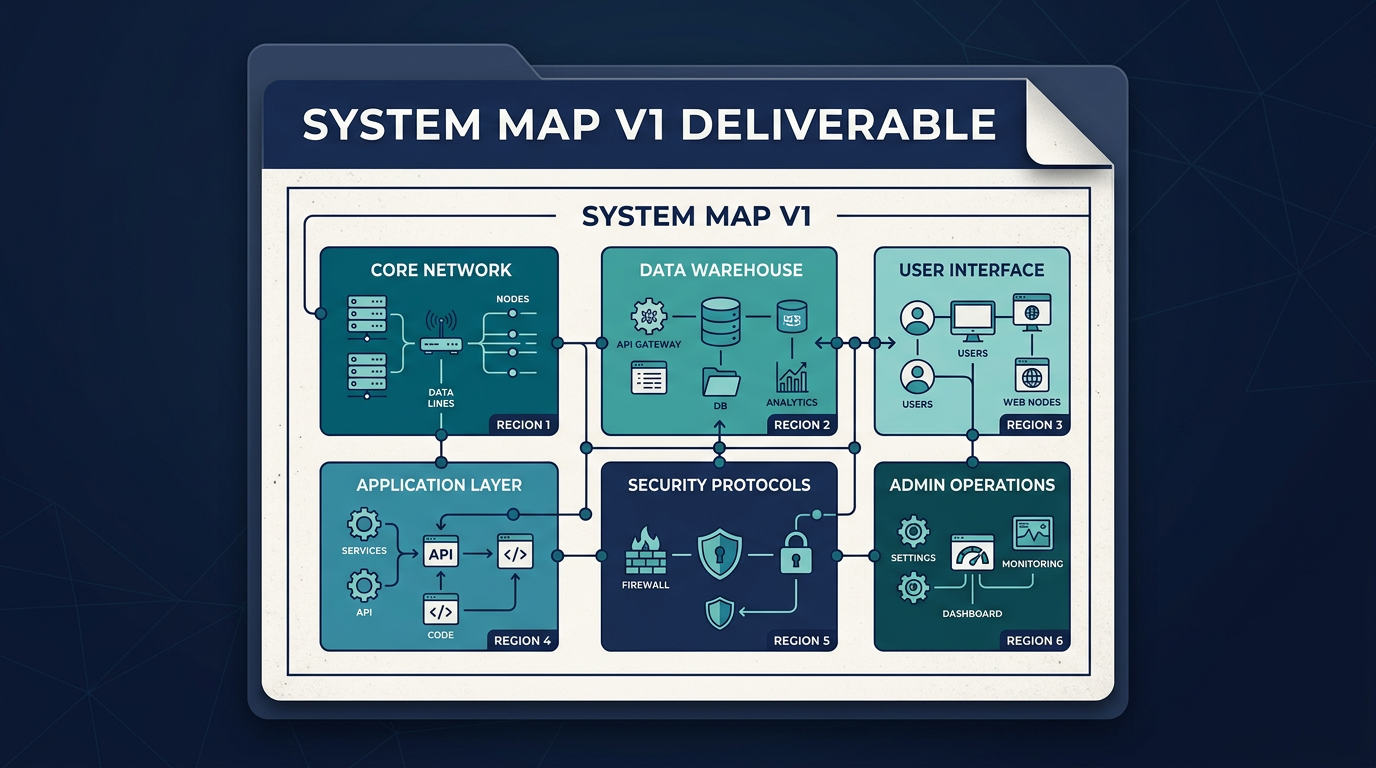
Lesson intent. You will produce the Media Distribution & Deployment System Map v1—how renditions reach each platform, how policy layers wrap keys and compliance, how promotion and rollback gates work, and what a wrong publish costs. It builds on Lessons 002–003 and sets the operational scope for Lesson 005.
Opening: distribution is where mistakes become public
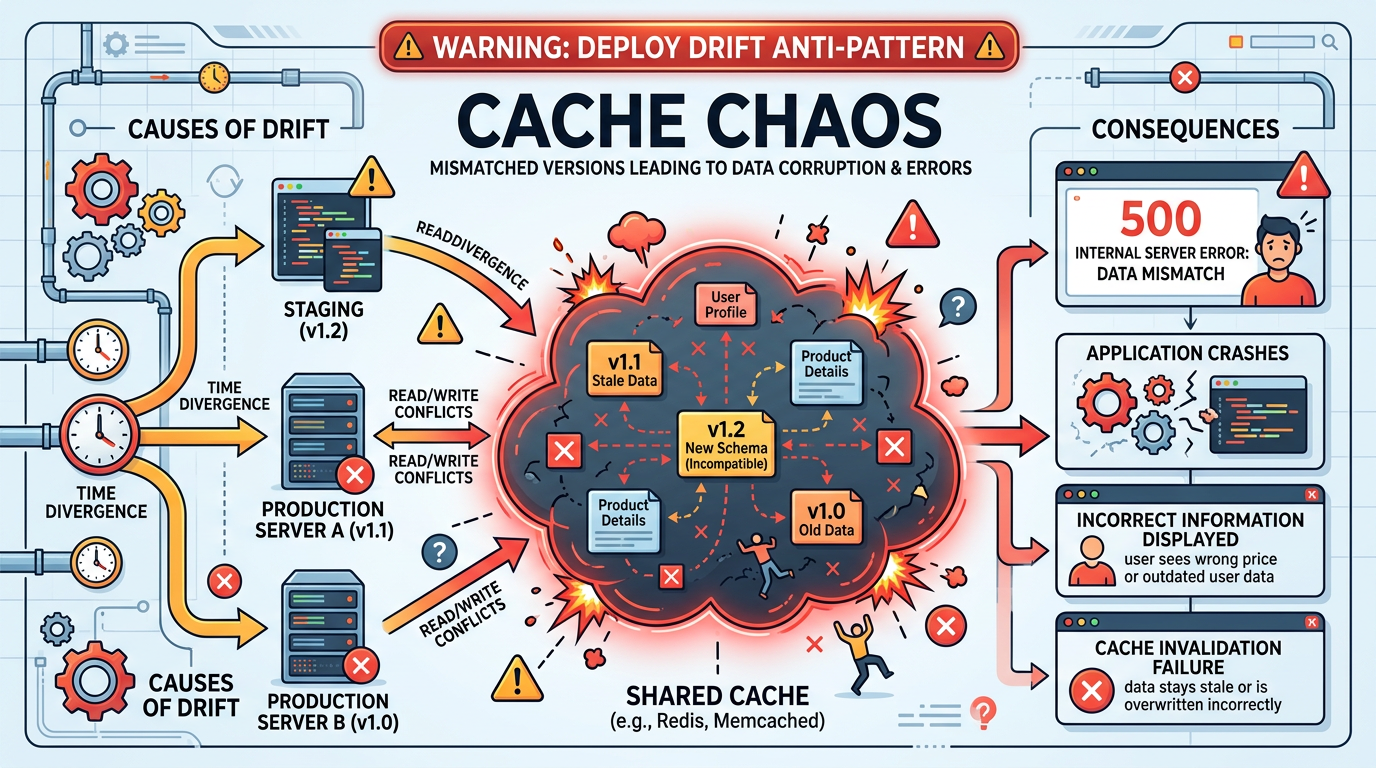
Deployment drift happens when staging presets differ from prod, CDNs cache the wrong mezzanine, or captions ship from an older render. This map makes topology, artifacts, and gates explicit before you scale volume.

Workbook checkpoint (Block MP401). Complete Distribution topology. Sketch paths/regions/platforms your media actually uses—no vapor CDNs.
The Distribution & Deployment System Map (artifact overview)
Your deliverable has six spine sections:
- Distribution topology — routes to each platform and region.
- Publish artifacts & renditions — mezzanine, captions, thumbnails, platform specs.
- Platform config & policy layers — where keys and policies live (no secret values here).
- Promotion & rollback gates — checks before public publish or swap.
- Distribution blast radius — worst case of wrong publish or bad asset.
- Distribution proof commitment — one publish drill or canary.
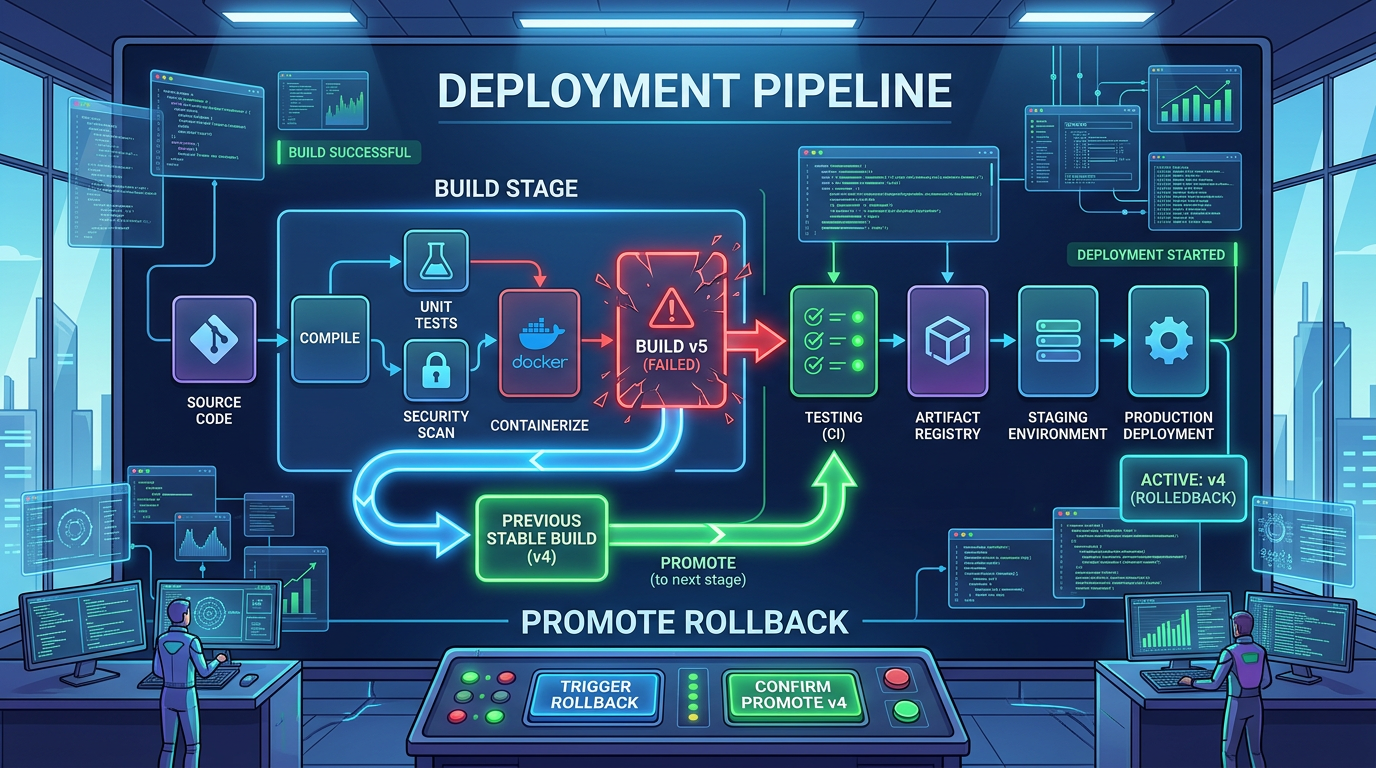
Workbook checkpoint (Block MP402). Complete Publish artifacts & renditions. List required renditions per platform class and who generates them.
System explanation: origin, edge, policy
Three lenses keep deploys sane:
- Origin — masters/mezzanines and who may replace them.
- Edge & players — CDN behaviors, cache keys, player surfaces.
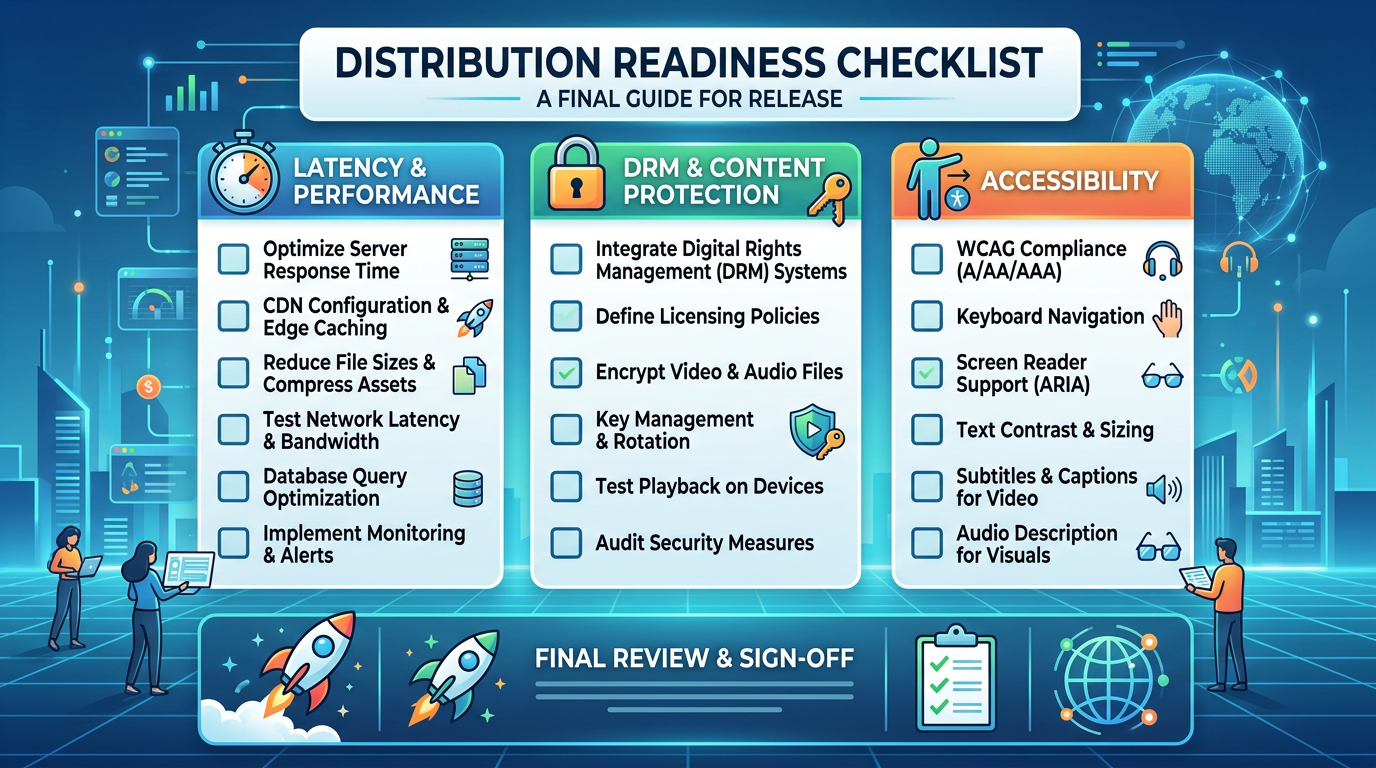
- Policy — DRM, geo, accessibility, brand, age gating—without pasting secrets.
When policy layers are named, compliance stops being “someone in legal will check.”
Workbook checkpoint (Block MP403). Complete Platform config & policy layers. Name configuration surfaces and policy seams—never paste API keys into this workbook.
Real-world pattern (illustrative)
Pattern only: package → checksum → upload → manifest → CDN purge slice → player verify. Map your real gates in MP404.
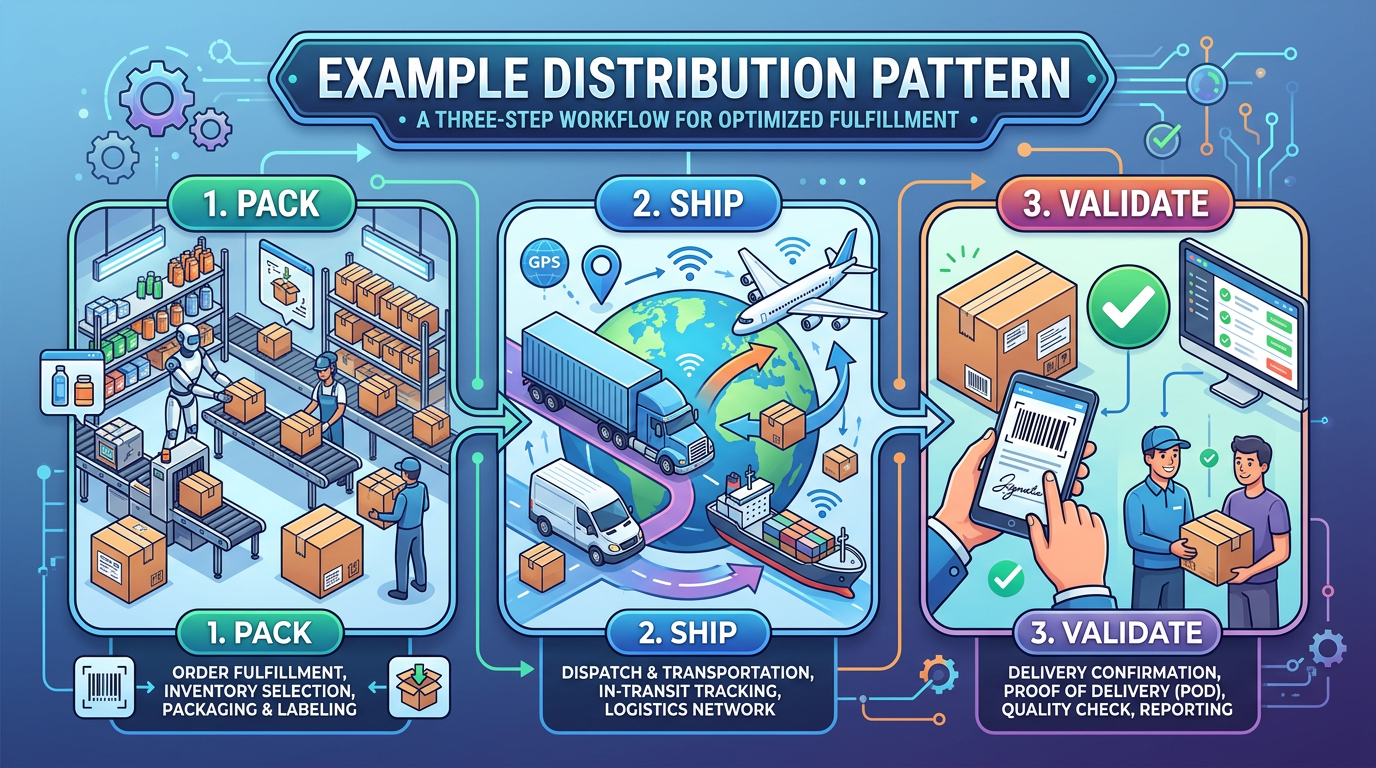
Workbook checkpoint (Block MP404). Complete Promotion & rollback gates. Describe checks before a public publish or asset swap, including who can approve.
Blast radius and readiness
Rank failures by audience impact: wrong title in metadata vs wrong file in the player vs takedown event. Pair each with detection paths you already fund.
Workbook checkpoint (Block MP405). Complete Distribution blast radius. Capture worst-case wrong-publish scenarios and mitigations.
Execution: prove distribution
Choose one drill: canary publish, staged rollout, or checksum-verified swap with a named rollback.
Workbook checkpoint (Block MP406). Record Distribution proof commitment with date, scope, and owner.
Deeper context: cache and consistency
CDNs make correctness a distributed systems problem. Purge strategy, cache keys tied to rendition IDs, and player telemetry close the loop when automation from Lesson 003 hands off to public surfaces.
Anti-patterns that invalidate a distribution map
- Stage/prod fantasy parity. Claiming identical configs without version pins.
- Hand edits in prod. Console tweaks that never flow back to automation.
- Anonymous artifacts. “Latest upload” without checksum or ID.
- Accessibility as an afterthought. Captions treated as optional garnish.
Pilot vs production honesty
If you only ship to a test channel, label surfaces in MP401 and note which promotion gates are skipped—carry that risk into MP405.
Final workbook line
Complete the workbook, then pass the knowledge check to prove you can defend topology, gates, and blast radius.
Workbook
Media lesson 004 — your entries save automatically while you are logged in.